Pause
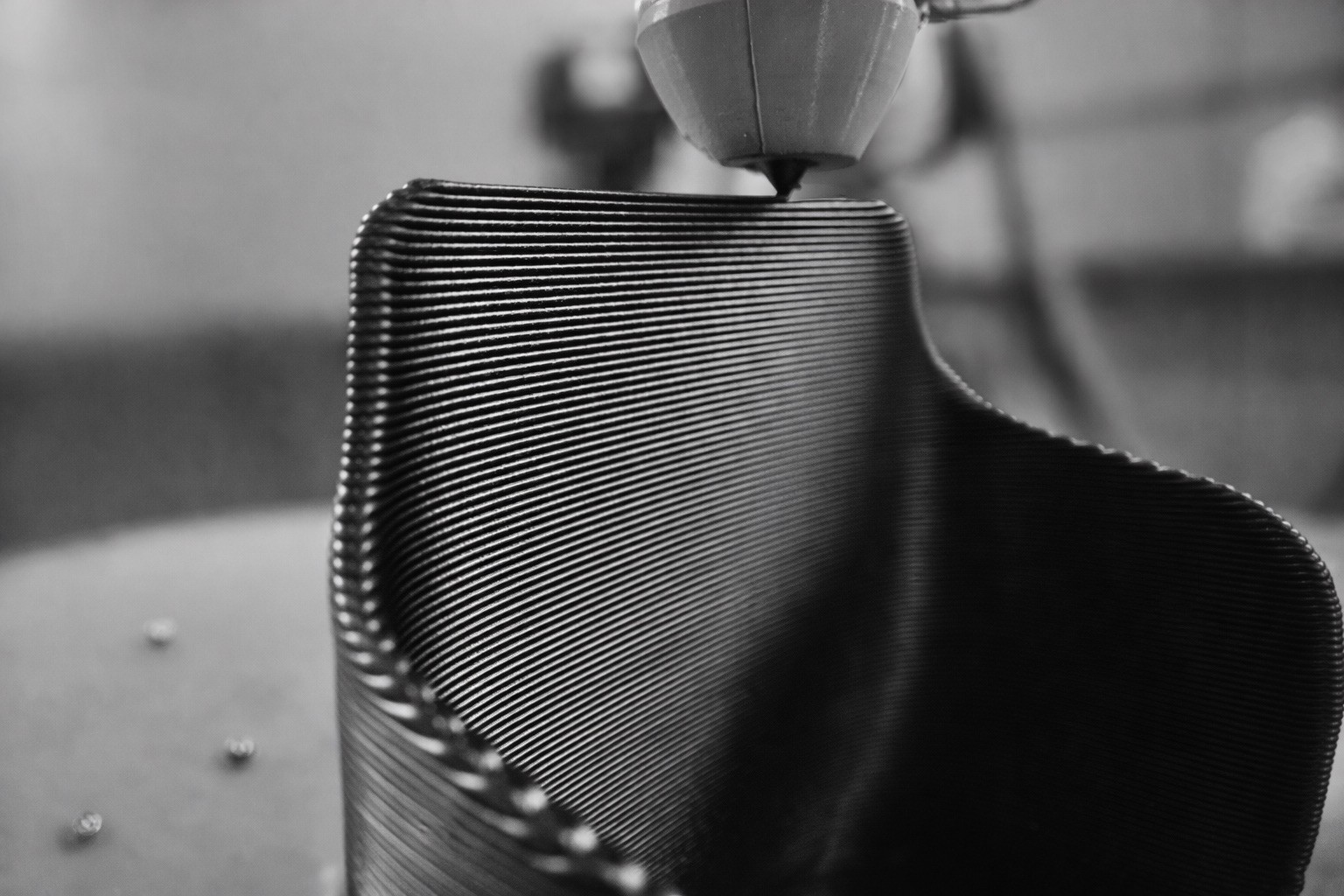
FGF (Fused Granular Fabrication) is a pellet-based additive manufacturing process designed for the production of large polymer parts. It enables high deposition rates, broad material flexibility, and is well suited for functional, industrial-scale applications.
ABOUT FGF PRINTING
Incorporating biocarbon as a reinforcing filler increases the stiffness of the polymer matrix, improving print stability and dimensional accuracy, especially for large parts.
These performance advantages translate into shorter production cycles, higher machine utilization, and lower manufacturing costs per part. Combined with its sustainability benefits, bio carbon-filled FGF materials are ideally suited for industrial applications such as molds, patterns, jigs, fixtures, and architectural components, making them a strong choice for large-scale additive manufacturing.
The integration of biocarbon leads to more environmentally friendly and safer printing materials, thanks to the replacement of fossil carbon and reduced VOC emissions.
Available in 25 kgs bags or big bags
FACTS & FIGURES
Up to 30% increase in printspeed
Up to 30% weight reduction compared to glass fiber filled
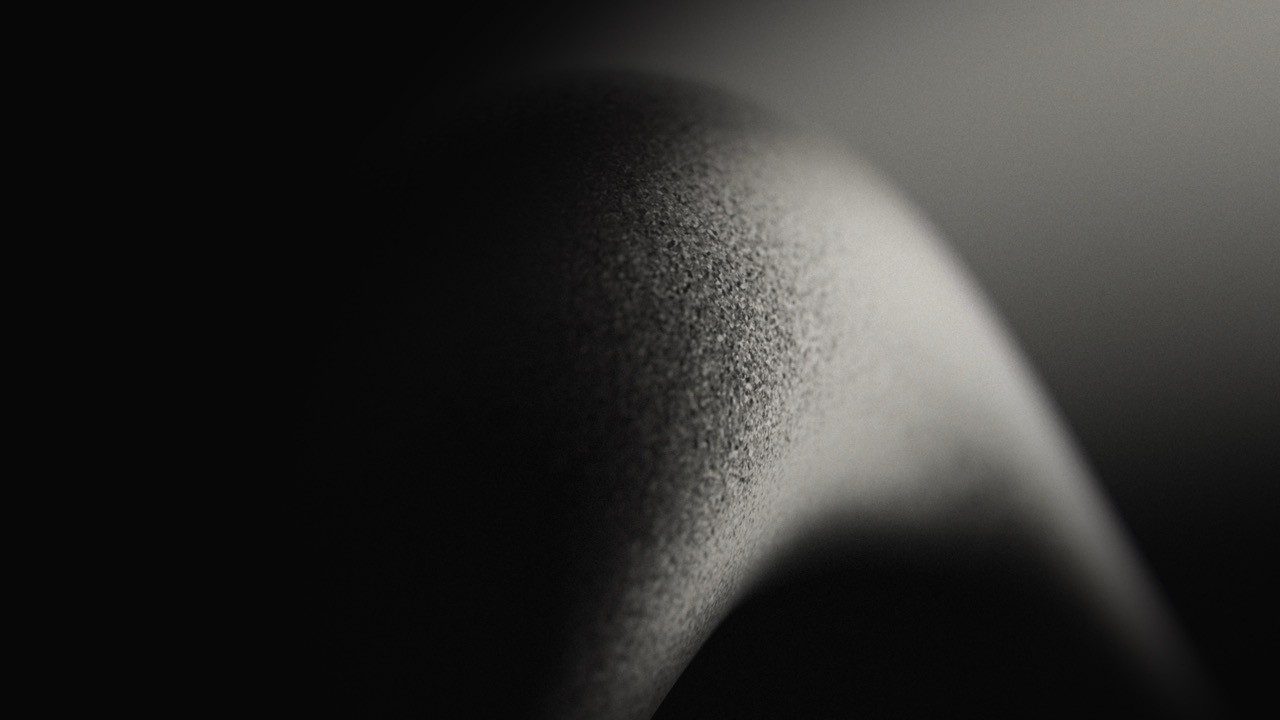
Types of carboganic FGF grades
BC2U FGF PETG
A durable, stiff, and sustainable composite engineered for pellet (FGF/granulate) extrusion 3D printing, particularly in medium-to-large format systems. The composite combines PETG’s naturally stable melt flow, excellent layer adhesion, impact resistance, and weatherability with a biocarbon role as a carbon-rich functional filler. This synergy increases stiffness and dimensional stability while reducing material shrinkage and environmental footprint, without compromising PETG’s ease of processing or tolerance to printing parameter variations.
BC2U FGF PP
BC2U FGF ABS
APPLICATIONS
FAQ FGF
Does biocarbon filled material require changes to standard FGF printing parameters?
In most cases, only minor adjustments are required. Drying is essential. Biocarbon filled materials typically print at similar temperature ranges to the base polymer but may benefit from slightly higher nozzle temperatures or reduced cooling to optimize layer adhesion.
How does biocarbon affect surface finish and visual appearance of printed parts?
Does biocarbon increase nozzle wear or maintenance requirements in FGF systems?
Can I get it in different colors?
We apply a hands-on co-design approach to ensure our materials fit your specific technical requirements perfectly. Tell us about your goals below, and our specialists will evaluate the best technology fit for your project.